Southampton was heavily bombed and rebuilt through exactly the decades asbestos was everywhere, so it turns up in made ground more than people expect.
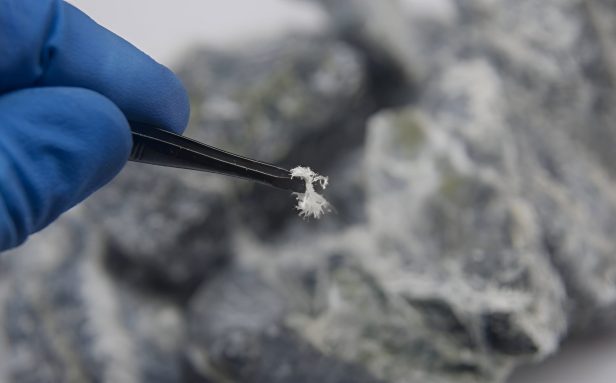

We inspect the site, take samples on a defensible pattern, and send them to a UKAS-accredited lab. The report explains what’s there and what it means.
For gardens, self-build plots and developers
Light surface clearance for smaller gardens
Every stage stays proportionate to the site itself, from the first walkover through to written findings, with a fixed fee agreed before any sampling starts.

We inspect the site and look into what stood there previously, since old garages, outbuildings and infill tell us where to sample rather than relying on a blind grid pattern.
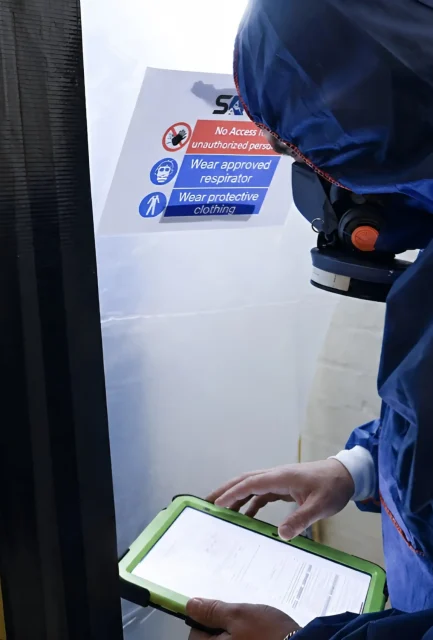
Surface and depth samples are taken to match both the risk and any planning requirement, then logged and photographed for the report.
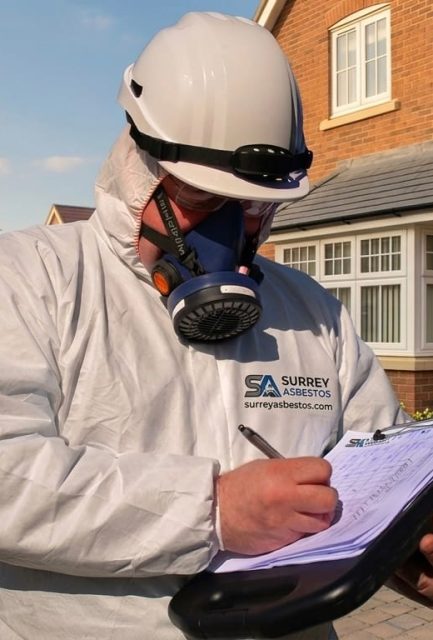
We identify the type of asbestos and, where it’s needed, quantify the concentration too, giving you the actual numbers regulators and consultants work from.
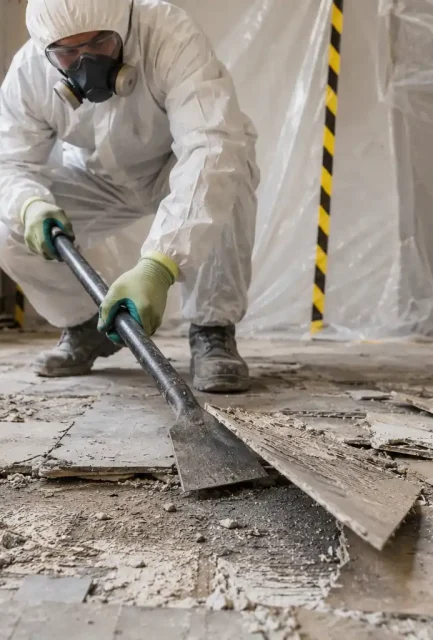
You’ll receive a written assessment with proportionate next steps, whether that’s no action, hand-picking and validating, a targeted dig-out, or capping, each priced fixed where we can deliver it ourselves. Where a contaminated-land planning condition applies, the report is structured to discharge it, and we’ll liaise directly with your consultant or the council’s contaminated land officer if that speeds up sign-off.
Most garden finds genuinely don't need a full remediation contract, and we'll tell you honestly when that's the case
Written to satisfy planning conditions and sit comfortably alongside your consultant's own ground investigation
Assessment, clearance and consigned disposal all happen without a second procurement round or a new contractor
A stalled dig costs money every single day, so stopped sites get prioritised and surveyed quickly
FAQS
Stop digging in that particular spot, leave the fragments exactly where they are (or bag any you’ve already lifted, without breaking them), and get the area properly assessed. Asbestos in garden soil is a common find in Southampton, usually the remains of an old shed or garage, and usually sorted out with targeted clearance rather than anything dramatic.
It depends on the type, condition and concentration. Bound cement fragments sitting in soil release very little, whereas fibrous material or high concentrations in soil that’s about to be disturbed is a completely different situation. Quantified analysis is exactly what answers that question, with actual numbers rather than guesswork.
Possibly, yes. Contaminated-land conditions are becoming pretty standard on infill plots and former commercial sites. Getting an assessment done early saves your programme, whereas finding it after groundworks have already started is the costly version. We format our reports for planners and can liaise directly with your consultant if needed.
Where asbestos contaminated soil removal is genuinely warranted, yes, hand-picking for light surface contamination or targeted excavation for more concentrated areas, all consigned as hazardous waste with full documentation. Removal always follows assessment though; anyone quoting for muck-away before testing is really just guessing with your money.
Walkovers are usually possible within days, with lab analysis following shortly after. We prioritise stopped works because we know exactly what an idle groundworks crew costs you. Just give us the postcode and the deadline you’re working to.
It scales with the size of the site and how much sampling is genuinely needed, a single garden find sits at the modest end, while a development plot with planning conditions needs a good deal more. The scope and fee are fixed in writing before any sampling ever begins.
Asbestos in soil testing happens at a UKAS-accredited laboratory. We identify the asbestos type first, then quantify the concentration wherever the situation or a planning condition calls for actual numbers. The certificates get appended to the report in full, never summarised out of it.
Proportionately, yes. A single back-garden discovery usually just needs a walkover, targeted samples and a short report, while a development plot with planning conditions needs a defensible sampling pattern and consultant-grade documentation. Same rigour throughout, just scaled to fit, and both priced fixed.
Anywhere across the city where soil gets turned over, infill plots in the centre, gardens across the terraced districts, paddocks out toward the rural fringe, plus bordering sites on request.
For enquiries related to our services, please reach out.
sales@southamptonasbestos.com
support@southamptonasbestos.com
Contact us for immediate assistance or questions.
Sales
07798 984290
Support / Enquiries
07468 437558
2 Park Rd
Guildford GU1 4PH
United Kingdom
CONTACT US
Send us your postcode and a photo of what you’ve found. We’ll arrange a survey within the week and confirm a fixed written quote inside 48 hours.
